
Beyond sustainable ingredients: what we learned at the Sustainable Cosmetics Summit North America 2026
ÄIO joined industry leaders, brands, ingredient innovators, and sustainability experts in New York for the 17th Sustainable Cosmetics Summit North America in May 2026.
Organized by Ecovia Intelligence, the summit brought together stakeholders from across the beauty value chain to discuss the future of sustainable cosmetics. Over two days, conversations covered circularity, biotechnology, sustainable packaging, AI-driven formulation, regulatory developments, and the growing need for credible sustainability data.
For ÄIO, the event provided valuable insights into where the cosmetics industry is heading and how ingredient innovation can contribute to a more resilient and sustainable future.
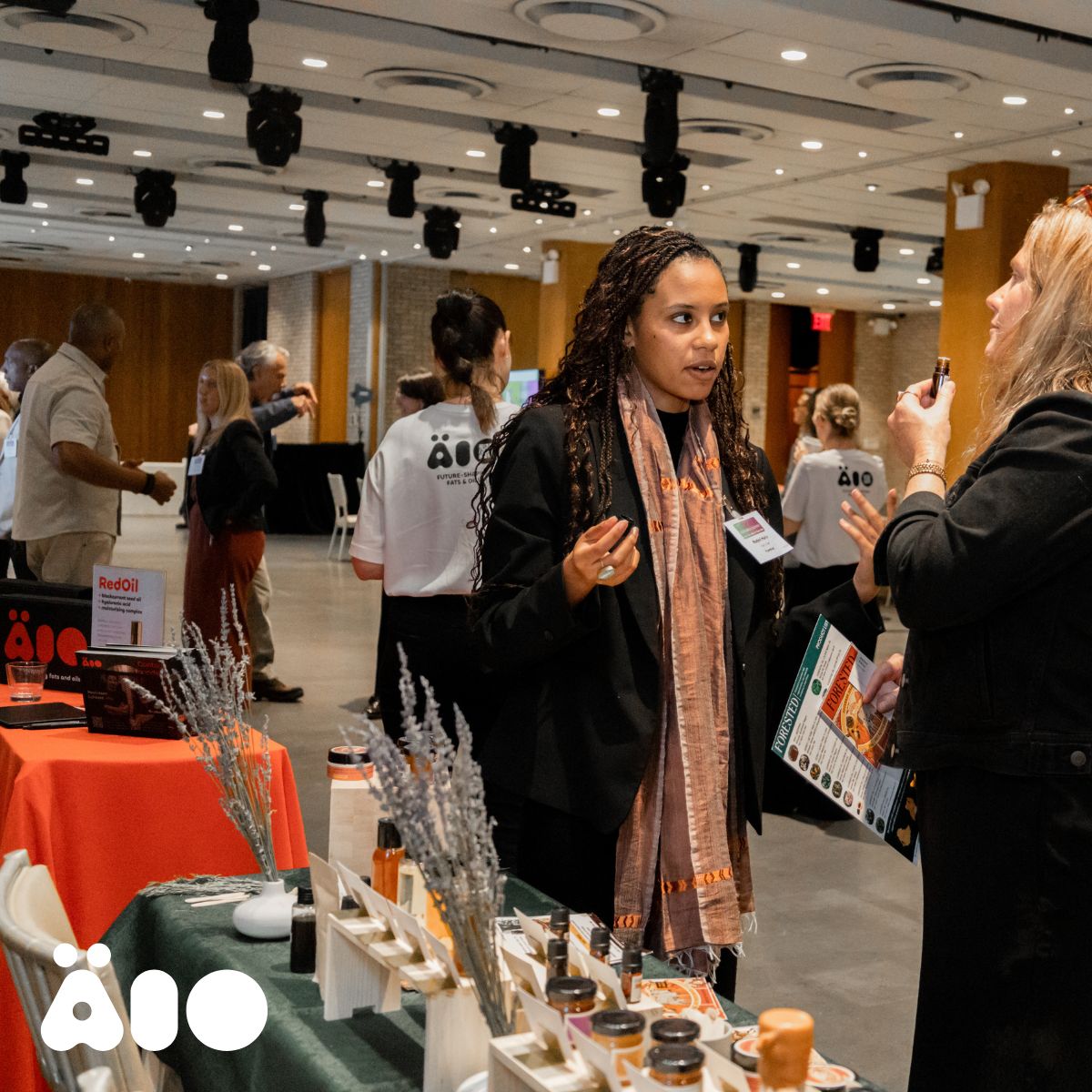
Networking at the Sustainable Cosmetics Summit 2026
Biotechnology continues to gain momentum
Across many sessions, biotechnology emerged as one of the key technologies enabling the next generation of sustainable cosmetic ingredients.
As brands seek alternatives to resource-intensive ingredients, fermentation offers opportunities to reduce dependence on land-intensive agricultural production while improving supply chain resilience, traceability, and sustainability performance.
During the summit, ÄIO’s Head of Cosmetics Development, Dr. Magdalena Koziol, presented our work in a session titled Novel Lipids from Fermentation of Low-Value Side Streams, highlighting how fermentation can transform underutilized biomass into functional oils and fats for cosmetic applications.
“One of the most encouraging observations from the summit was that sustainability conversations are becoming increasingly science-driven. Companies are looking beyond marketing claims and focusing on measurable impact, supply chain transparency, circularity, and credible data. This creates exciting opportunities for fermentation-derived ingredients that can deliver both functionality and sustainability,” said Dr. Magdalena Koziol.
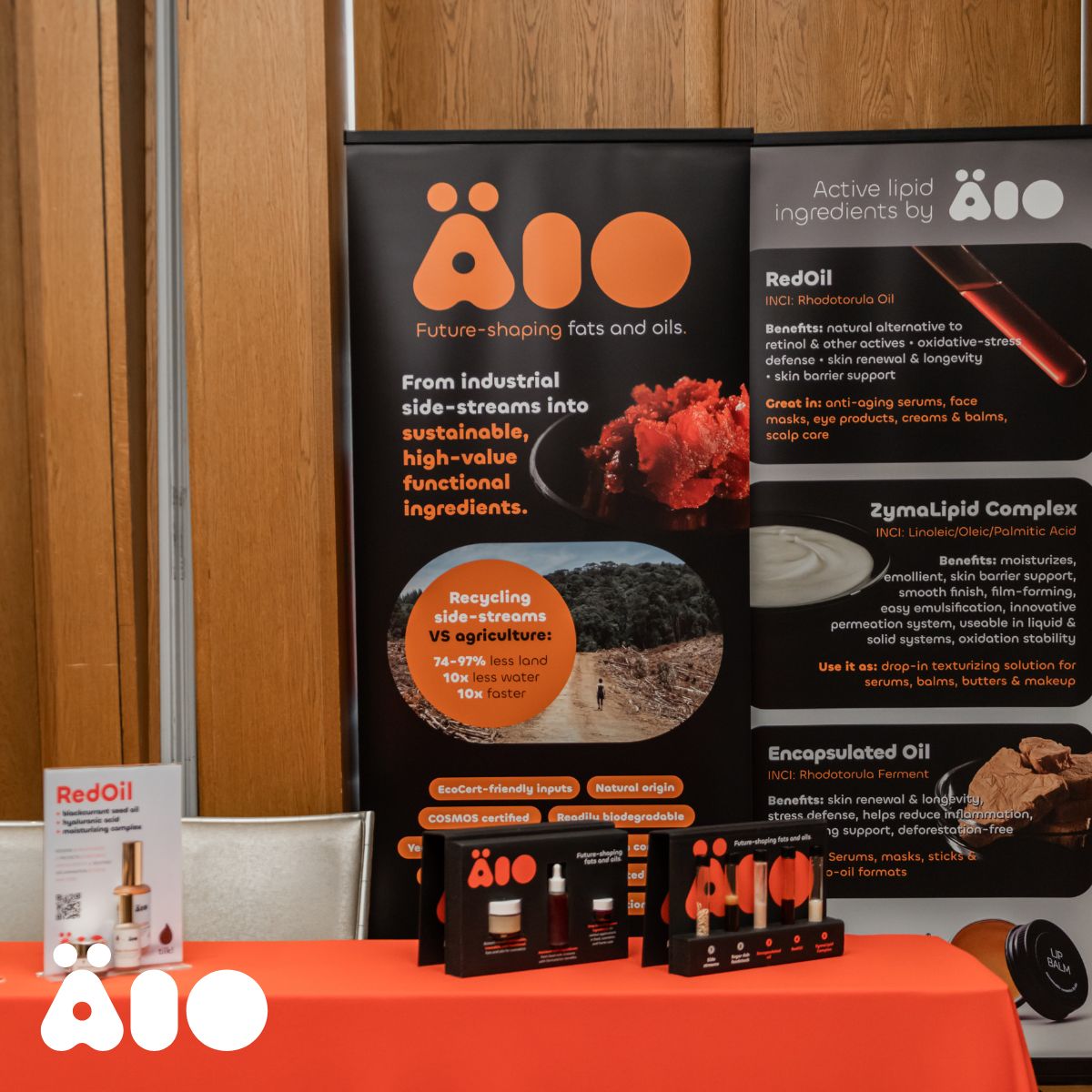
ÄIO products and info at the Sustainable Cosmetics Summit 2026
Sustainability is moving from claims to proof
One of the strongest themes throughout the summit was the growing demand for evidence-based sustainability.
Speakers highlighted increasing scrutiny of environmental marketing claims, with regulators, consumers, and industry watchdogs expecting brands to support sustainability statements with measurable data and transparent methodologies. Discussions around greenwashing demonstrated that broad terms such as “green”, “eco-friendly”, “sustainable”, or even “clean beauty” are becoming more difficult to use without clear substantiation. Claims must increasingly be supported by robust evidence and aligned with what consumers are likely to understand from them.
This trend reinforces the importance of traceability, lifecycle assessments, and scientifically validated sustainability metrics throughout the value chain.
Circularity is expanding beyond packaging
Circular economy principles were discussed across multiple sessions.
While packaging remains an important challenge, speakers emphasized that circularity begins much earlier at ingredient sourcing, product design, manufacturing, and business model development. The industry is increasingly moving away from viewing sustainability as a packaging-only issue and instead considering entire product lifecycles. For ingredient suppliers, this means designing materials that utilize resources more efficiently while reducing dependency on environmentally intensive supply chains.
At ÄIO, this philosophy aligns closely with our own approach of converting agricultural, food industry, and forestry side-streams into valuable oils and fats through fermentation.
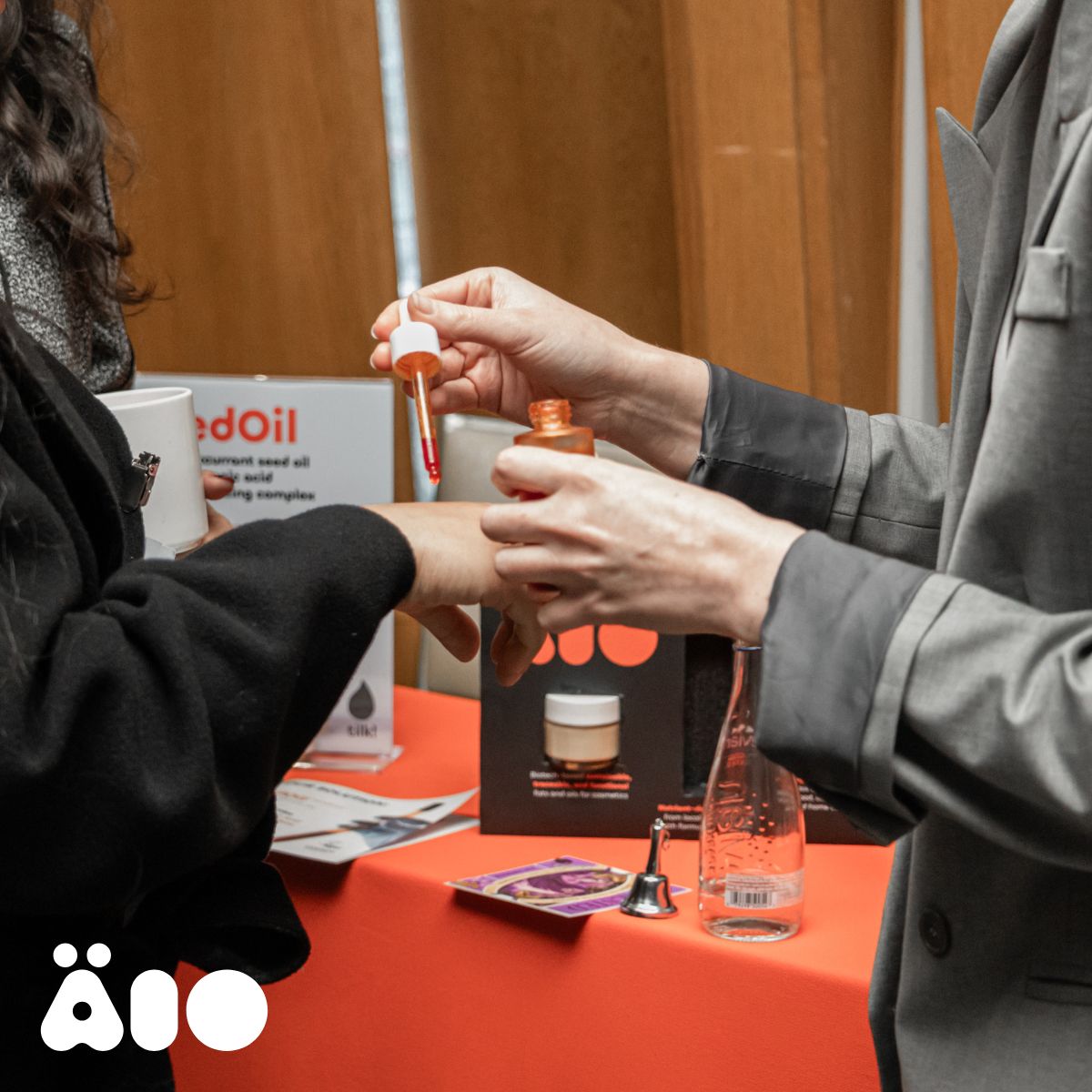
ÄIO Fermira™ RedOil testing at the Sustainable Cosmetics Summit 2026
Packaging innovation requires trade-offs
Packaging remained one of the most debated topics of the summit.
Several presentations demonstrated that there is rarely a single perfect packaging solution. Instead, brands must balance recyclability, functionality, consumer experience, safety requirements, manufacturing feasibility, and overall environmental impact.
A particularly interesting case study came from Hairstory, whose refill systems reduced plastic use by 87% while continuing to evolve toward fully recyclable mono-material packaging solutions. The company’s experience illustrated how meaningful sustainability improvements often require years of development, testing, and customer feedback. The message was clear: sustainability is often about continuous improvement rather than perfect solutions.
Artificial Intelligence is entering sustainable formulation
Another emerging topic was the growing role of artificial intelligence (AI) in cosmetics R&D.
Presentations showed how AI can help researchers identify lower-impact ingredients, predict formulation performance, evaluate environmental characteristics, and accelerate product development. Structured laboratory data, predictive modelling, and machine learning are increasingly becoming tools for sustainability-driven innovation. Industry experts argued that sustainability is becoming as much a data challenge as a chemistry challenge. Companies that effectively combine scientific expertise with high-quality data infrastructure may gain significant advantages in developing future sustainable products.
Less but BETTER
Several brands also discussed a shift toward multifunctional products and simplified product portfolios.
Rather than continuously expanding product ranges, some companies are focusing on products that deliver multiple benefits while reducing resource consumption, packaging needs, and supply chain complexity. A simple principle: “Do More With Less” approach reflects a broader industry movement toward efficiency, functionality, and resource-conscious product development.
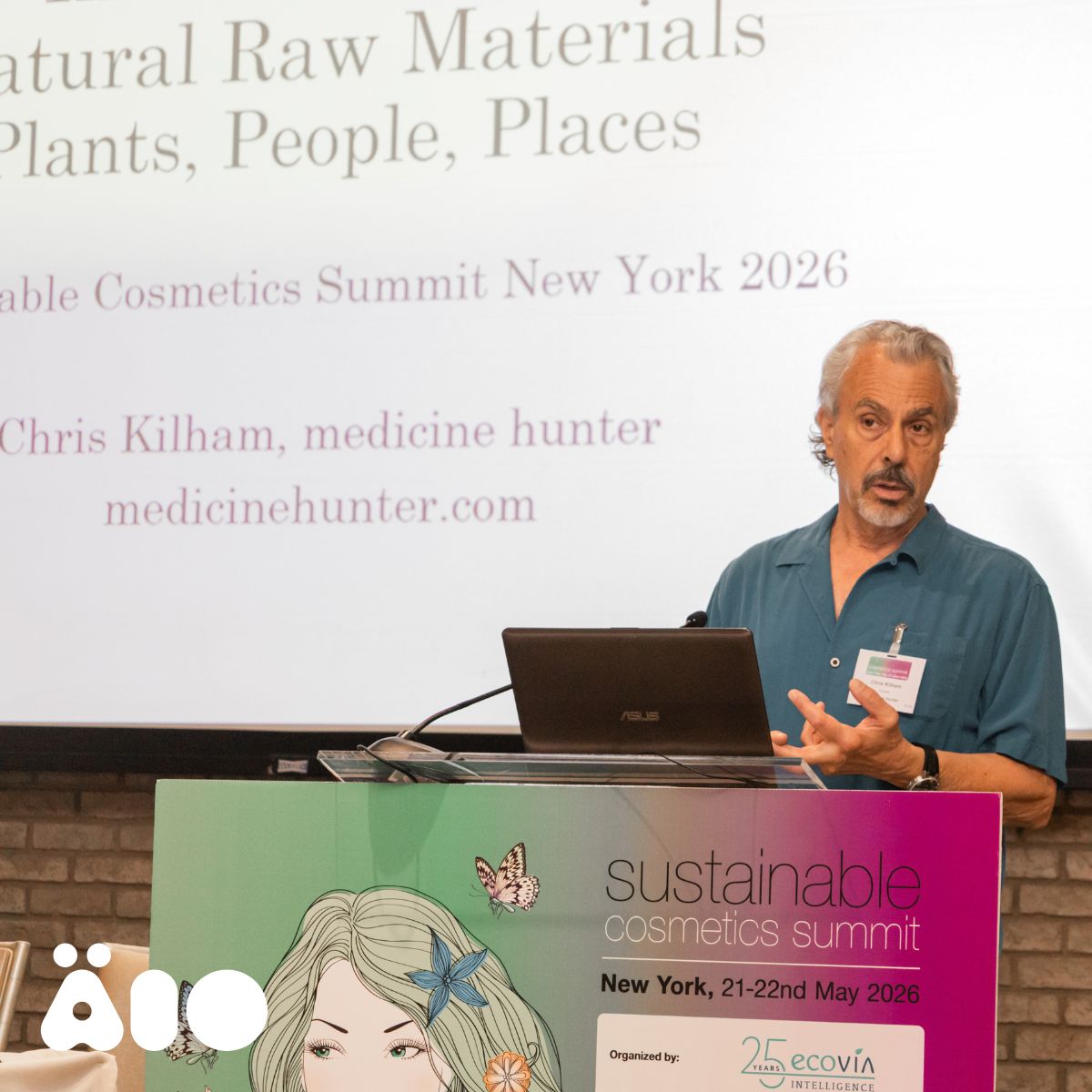
The Sustainable Cosmetics Summit keynote speaker Chris Kilham from Medicine Hunter

The Sustainable Cosmetics Summit 2026
What Comes Next?
The Sustainable Cosmetics Summit confirmed that the beauty industry is entering a new phase of sustainability. The focus is no longer limited to individual ingredients or isolated sustainability initiatives. Instead, the conversation is shifting toward systems thinking combining circular design, responsible sourcing, data transparency, AI-enabled innovation, measurable environmental impact, and scientifically substantiated claims. For companies developing next-generation ingredients, this creates both challenges and opportunities.
At ÄIO, we believe fermentation-derived oils and fats can play an important role in this transition. By combining circular feedstocks, traceable production, and functional performance, biotechnology offers a pathway toward a more resilient and sustainable beauty industry.
We look forward to continuing these discussions with partners across the cosmetics value chain and helping shape the future of sustainable beauty.