
Combining the power of synthetic biology and metabolic engineering to create the next generation of products.
How ÄIO designs the next generation of specialty fats and oils.
When people think about biotechnology, they often picture fermentation tanks transforming feedstocks into valuable products. But before fermentation begins, our Strain Engineering team is designing and optimising the microorganisms that make those products possible. We have built a technology platform that allows us to create the next generation of fats and oils for food and cosmetics.
At ÄIO, we combine synthetic biology and metabolic engineering to build yeast strains capable of producing specialty fats and oils with characteristics tailored to real industrial needs.
Why engineer microorganisms?
Food manufacturers need fats with specific melting profiles, stability, and functionality. Cosmetic brands are looking for ingredients with carefully balanced fatty acid compositions, excellent oxidative stability, pleasant sensory properties, and compatibility with modern formulations. Traditional agricultural oils can only provide what nature has already created and biotechnology gives us the opportunity to go one step further.
Instead of relying solely on naturally occurring variations, we can design microorganisms capable of producing specialty fats and oils with characteristics tailored to specific applications. That journey starts with strain engineering.
Our Head of Strain Engineering Luísa Czamanski Nora continues from here to explains the process.
The terms “synthetic biology” and “metabolic engineering” are oftentimes used as synonyms in our area of work (and here I need to insert a mea culpa, as I do this often enough). They are indeed closely related and almost always used in synergy to achieve similar objectives. They were both made possible thanks to development of molecular biology methods and recombinant DNA technology, which was first established in the decade of 1970 and has been evolving ever since. However, they are, in fact, different scientific disciplines.
So what is the difference between synthetic biology and metabolic engineering?
Metabolic engineering is a field of study that emerged in the 1990s, aiming to use the growing knowledge of DNA manipulation to redirect metabolic fluxes inside a cell, enabling the production of new compounds (Stephanopoulos, 2012). In practice, metabolic engineering focuses on a systemic view of the metabolism, in order to manipulate rate-limiting steps in the metabolic pathways of interest, gradually improving pathway performance and product yields, rates and titers (van Lent et al., 2023).
Synthetic biology emerged not long after, in the early 2000s, as DNA synthesis technologies advanced and the construction of genetic circuits became increasingly feasible (Cameron et al., 2014, Stephanopoulos, 2012). Synthetic biology is built on the premise that living systems can, to some extent, be compared to computer systems (Figure 1), and that classical engineering principles can therefore be applied to them (Andrianantoandro et al. 2006). In fact, synthetic biologists around the world have proved that those systems can indeed be compared, as they have built circuits to work on cells that behave exaclty like logic gates, for example (Wang et al., 2011). Of course, these are still biological systems, and we cannot ignore the biological peculiarities of each organism, nor the stochasticity and the biological noise that characterizes life (more on biological noise in: Elowitz et al. 2002). For this reason, synthetic biology seeks to standardize biological parts as much as possible, with the goal of improving the predictability and reliability of engineered biological systems (Andrianantoandro et al. 2006).
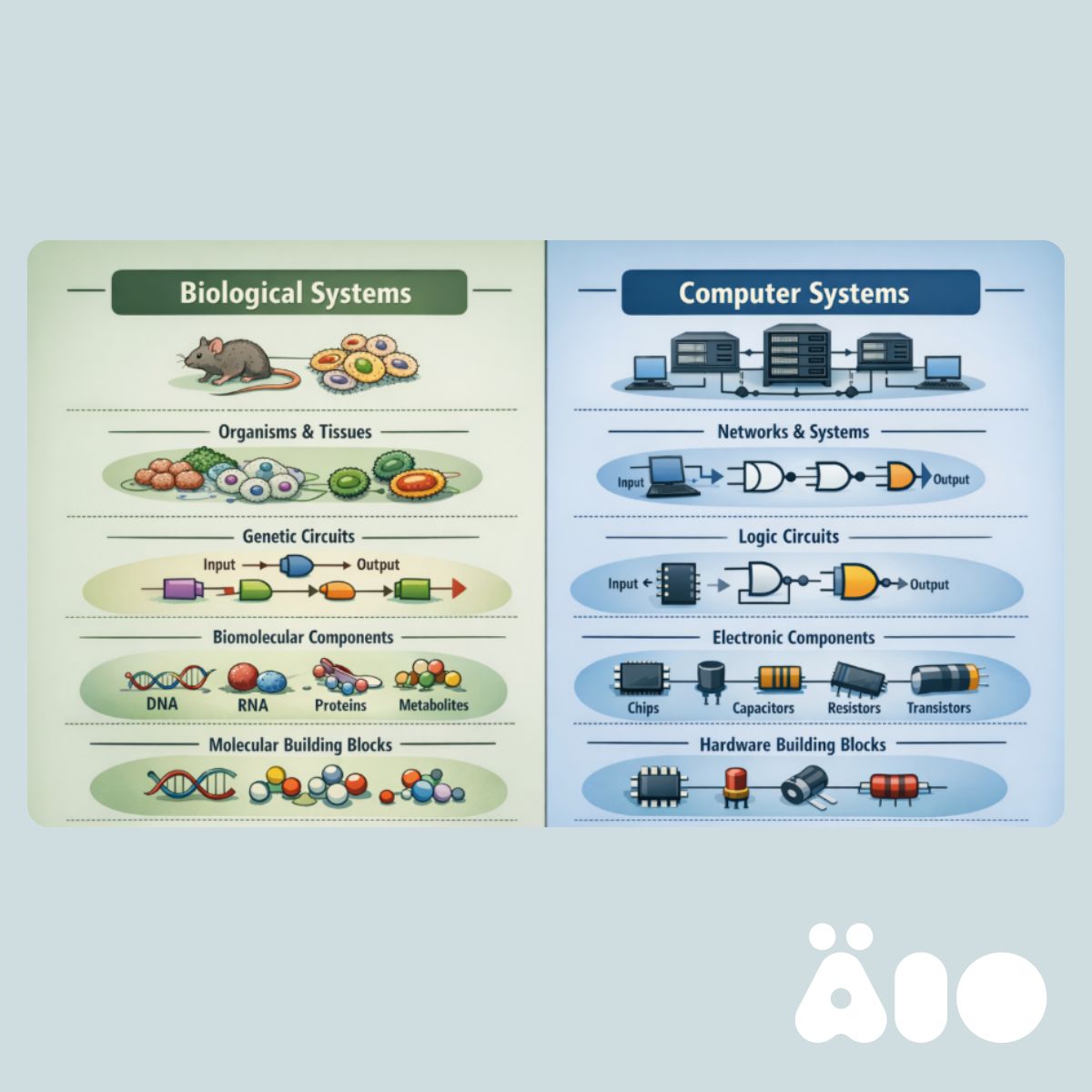
Figure 1. Biological systems have the same hyerarchy and can be compared with computer systems. Image created by Copilot and inspired by the content of Andrianantoandro et al. 2006.
For a better understanding, we can have an analogy with the amazing technology from LEGO©, for example. In this analogy, synthetic biologists are the engineers designing and manufacturing the LEGO© pieces themselves. Each piece must be standardized, predictable, reliable, and yet, it needs to be orthogonal. In synthetic biology terms, this means that the same genetic parts or circuits should behave in a similar, predictable way regardless of the host organism (Nora et al., 2019).
In this sense, genes, promoters, terminators, and other genetic components are then carefully designed, characterized, and standardized, so that their behavior is well understood. Once this is achieved, we can confidently combine these pieces to build all kinds of LEGO© houses, castles, bridges, or whatever else our imagination allows (Figure 2).
Metabolic engineers, on the other hand, are the ones taking these standardized LEGO© pieces and assembling them in specific ways. Each different LEGO© castle they build represents a distinct metabolic flux distribution or metabolic state within a cell. By building and testing many of these castles, the understanding of cellular metabolism and its flexibility can be expanded. The more castles that are built using standardized pieces, the more reliable and valuable those pieces become (synthetic biology), and the more insight we gain into how metabolism can be reshaped to produce different biological outputs (metabolic engineering).
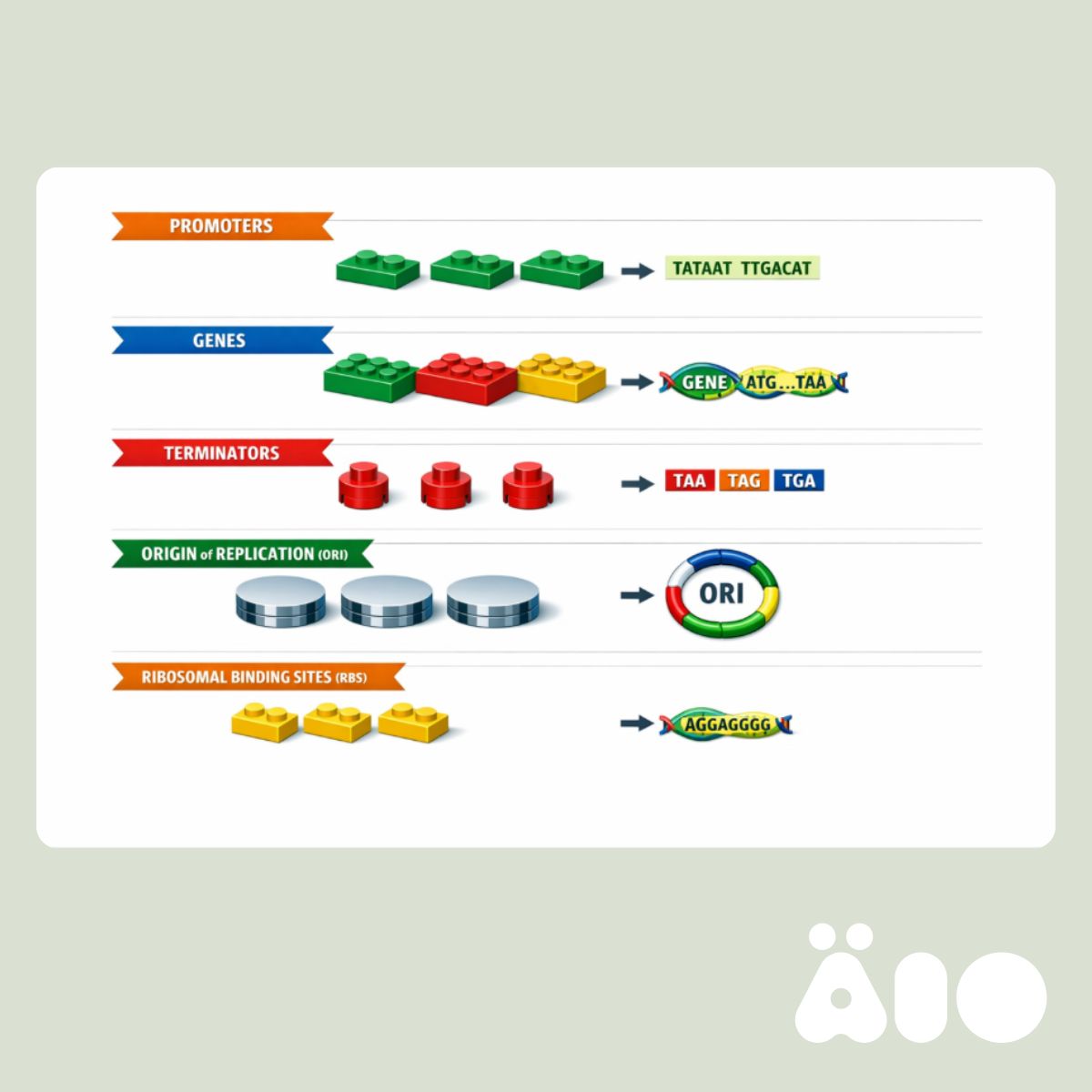
Figure 2. Genetic parts characterized and standardized by synthetic biology are like creating the standard LEGO© pieces. Image created with Copilot.
All of those LEGO© pieces and castles go through the same iterative cycle: Design, Build, Test and Learn. This is the famous DBTL cycle, which was also borrowed from classical engineering and now is widely used for synthetic biology and metabolic engineering projects (Liu et al., 2025). Each iteration of the DBTL cycle helps to increase the yields, rates and titers of the desired product.
At ÄIO, our strain engineering team (Figure 3) is simultaneously creating the standardized pieces (promoters, genes, terminators), and building the new castles (new metabolic fluxes within our yeast) with those pieces. Then, we go through several iterations of our own DBTL cycles until we find the perfect construction.
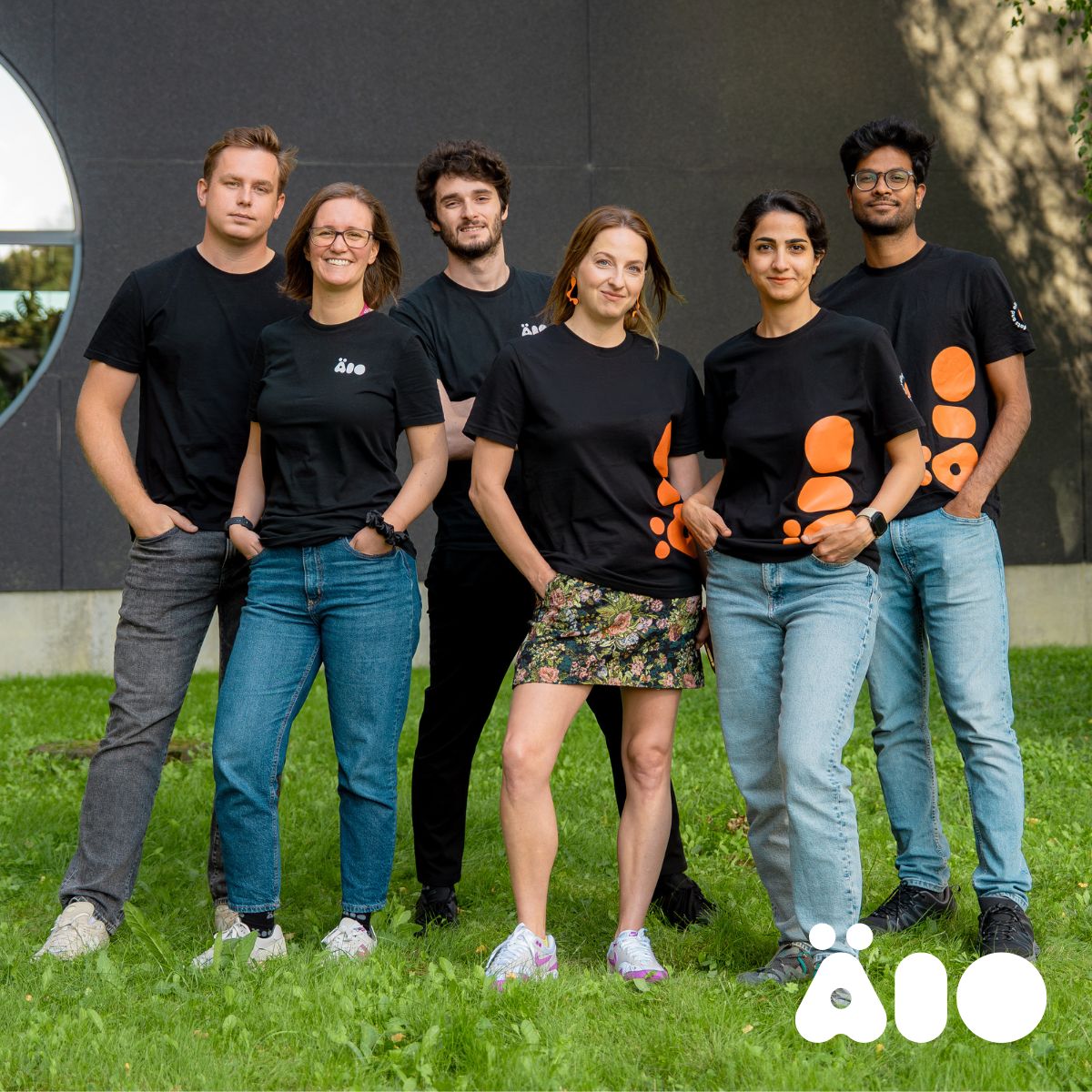
Figure 3. Strain Engineering team at ÄIO.
This is how ÄIO combines synthetic biology and metabolic engineering to create the next generation of products: specialty fats and oils that are designed for the characteristics and functionalities our clients request (Figure 4). And one day, hopefully, they will be just as successful as LEGO© itself.

Figure 4. Samples of the first specialty oil ever developed by ÄIO. If you are curious how we can design specialty oils that fit your specify needs, please reach out!
About the author:
Luísa Czamanski Nora is the head of strain engineering at ÄIO. Together with her amazing team, they are building ÄIO’s next LEGO© castles.

References used in this article:
- Andrianantoandro, E., Basu, S., Karig, D. K., & Weiss, R. (2006). Synthetic biology: new engineering rules for an emerging discipline. Molecular systems biology, 2.
- Cameron, D., Bashor, C. & Collins, J. (2014). A brief history of synthetic biology. Nat Rev Microbiol 12, 381–390.
- Elowitz, M. B., Levine, A. J., Siggia, E. D., & Swain, P. S. (2002). Stochastic gene expression in a single cell. Science, 297(5584), 1183-1186.
- Liu, R., Bassalo, M. C., Zeitoun, R. I., & Gill, R. T. (2015). Genome scale engineering techniques for metabolic engineering. Metabolic engineering, 32, 143-154.
- Nora, L. C., Westmann, C. A., Martins‐Santana, L., Alves, L. D. F., Monteiro, L. M. O., Guazzaroni, M. E., & Silva‐Rocha, R. (2019). The art of vector engineering: towards the construction of next‐generation genetic tools. Microbial biotechnology, 12(1), 125-147.
- Stephanopoulos, G. (2012). Synthetic biology and metabolic engineering. ACS synthetic biology, 1(11), 514-525.
- van Lent, P., Schmitz, J., & Abeel, T. (2023). Simulated design–build–test–learn cycles for consistent comparison of machine learning methods in metabolic engineering. ACS Synthetic Biology, 12(9), 2588-2599.
- Wang, B., Kitney, R. I., Joly, N., & Buck, M. (2011). Engineering modular and orthogonal genetic logic gates for robust digital-like synthetic biology. Nature communications, 2(1), 508.